
Shoes used to be simple. You bought them, they hurt for a while, then maybe they got comfortable. Or maybe not. People just dealt with it. That whole system fell apart recently. Now shoppers walk into stores with a checklist that would make shoe executives from twenty years ago laugh. Except nobody’s laughing because these demands became the baseline.
The Work-From-Home Revolution Changed Everything
Remember dress shoes? Those rigid things people crammed their feet into five days a week? The pandemic killed them. Two years of slippers and sneakers rewired everyone’s brains. Feet got spoiled. Going back to the office meant renegotiating what “professional” footwear meant.
Read More :How to Keep Your Makeup in Place All Day
Turns out, productivity has nothing to do with foot pain. Sneakers showed up in boardrooms. Running shoes sat under standing desks. Even judges started wearing comfortable shoes under their robes. Nobody cared as long as the work got done.
Technology Made Better Shoes Possible
Materials got weird in a good way. Memory foam for your feet. Material that expands without losing its shape. Soles that weigh nothing but last forever. Shoe nerds had a field day with this stuff. The internet changed the game, too. Bad shoes get roasted online within hours of launching. One viral TikTok about blisters can tank a product line. Companies pay attention to comments now because they have to.
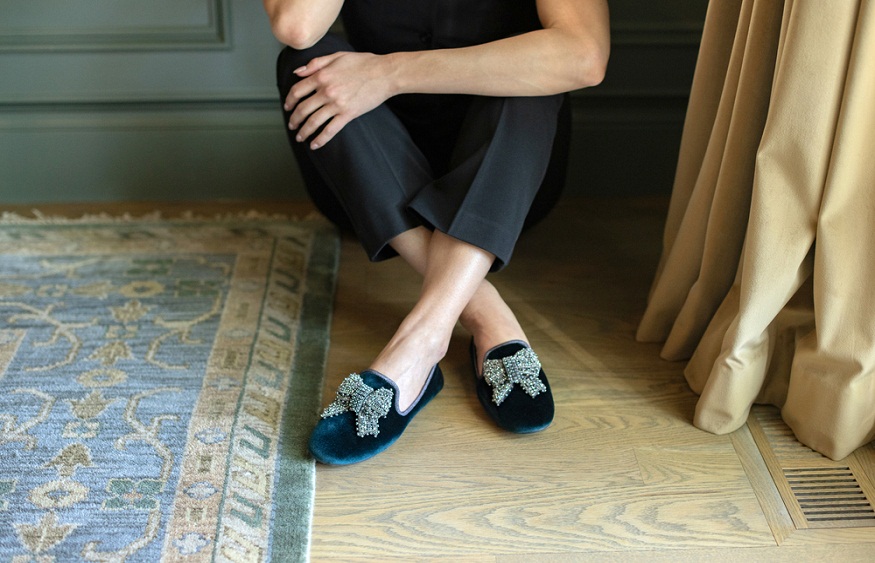
Women’s loafers from Birdies show what happens when tech meets tradition: classic looks hiding sneaker guts. Your grandmother recognizes the style. Your feet think they’re wearing running shoes. No one had previously created that combination because the method was unknown.
Sustainability Became Non-Negotiable
Gen Z doesn’t mess around with ethics. They’ll research a shoe company’s entire supply chain before buying. Factory locations, worker wages, environmental impact – it all matters. Millennials jump on this train too. Even older shoppers started paying attention. So companies scrambled. Ocean plastic became shoe material. Mushroom leather showed up. Algae foam insoles. Some of it was marketing nonsense, but some actually worked. The good stuff stuck around.
The Direct-to-Consumer Model Cut Out the Middleman
Stores used to control everything. Brands needed them for shelf space. Shoppers needed them to try stuff on. The internet then disrupted the entire setup. New companies popped up selling straight to customers. No store markup. No pushy salespeople. Just shoes shipped to your door. Free returns made it risk-free. Try five pairs, keep one. The others go back in the same box.
Old-school retailers panicked. Everybody started copying the online model. But these new companies had a head start. They knew social media. They responded to comments. They fixed problems fast because angry customers could blast them to thousands of followers instantly.
Health and Wellness Drove New Priorities
Step counters changed how people think about feet. Ten thousand steps a day in bad shoes? That’s asking for trouble. Plantar fasciitis became common vocabulary. People learned what metatarsals were. Foot health turned into actual health. Doctors started caring about patient footwear. Physical therapists recommended specific brands. Podiatrists wrote blog posts about arch support. This medical attention made comfort legitimate. Not just for old people or people with “problem feet.” For everyone.
Read More :Why Should Leather Purses for Women Be a Wardrobe Essential?
Brands that ignored this trend got buried. The ones that hired podiatrists as consultants? They printed money. Comfort features became standard. Wide sizes showed up everywhere. Narrow heels got roomier toe boxes. The entire shoe shape evolved because feet demanded it.
Conclusion
Today’s shoe shoppers are demanding. They want comfort, versatile style, and eco-friendly materials. They want affordable prices. Companies either deliver or disappear. The funny thing? It’s not about shoes. It’s about people demanding better and rejecting compromise. Shoes just happened to be where they drew the line.